—
—
In Stock
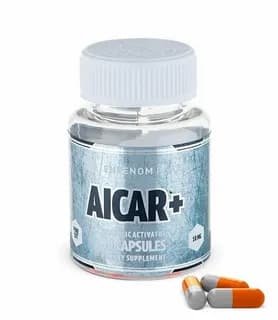
AICAR (5-Aminoimidazole-4-carboxamide ribonucleotide) is a powerful compound widely studied in the fields of sports performance, metabolism, and medical research. It acts as an AMP-activated protein kinase (AMPK) activator, making it a key molecule for energy regulation within cells. How AICAR Works AICAR stimulates AMPK, often referred to as the body’s “energy sensor.” When AMPK is activated: - Cells increase glucose uptake for energy. - Fatty acid oxidation is enhanced, helping the body burn fat more efficiently. - Mitochondrial activity improves, supporting cellular energy production. This makes AICAR particularly interesting for athletes, researchers, and those studying metabolic health. Potential Benefits of AICAR - Improved Endurance: By increasing energy efficiency in muscle cells, AICAR may help enhance aerobic performance and stamina. - Fat Loss Support: Activating AMPK can accelerate fat metabolism, potentially supporting body composition goals. - Enhanced Cellular Energy: AICAR improves mitochondrial function, which can boost overall energy and recovery. - Metabolic Research Applications: Scientists study AICAR for its potential in diabetes management, obesity treatment, and heart health due to its effects on glucose metabolism. Usage and Considerations - AICAR is primarily used in research settings; its human use is limited and carefully controlled. - Dosage and administration vary widely in studies, and self-experimentation can be risky. - Users should be aware of potential side effects, including low blood sugar, fatigue, or gastrointestinal issues. - It is often studied in combination with other compounds like GW501516 (Cardarine) for synergistic effects. Safety and Legality - AICAR is not approved for human consumption in most countries and is typically classified as a research chemical. - Professional athletes should be cautious: it is banned by most sports organizations due to its performance-enhancing potential. Conclusion AICAR is a potent AMPK activator with significant potential for endurance improvement, fat metabolism, and metabolic research. While promising, it remains primarily a research chemical, and its use outside controlled studies carries health and legal risks.