—
—
In Stock
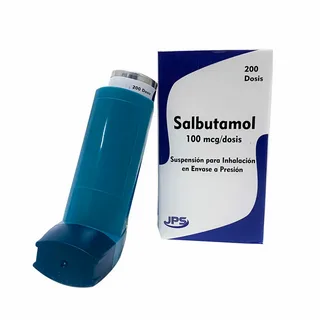
Salbutamol, also known as albuterol in some countries, is a fast-acting bronchodilator medication widely used in the treatment and management of respiratory conditions such as asthma, chronic obstructive pulmonary disease (COPD), bronchitis, and emphysema. It belongs to a class of drugs called short-acting beta-2 adrenergic agonists (SABAs). How Salbutamol Works - Salbutamol relaxes the muscles in the airways and widens the bronchial tubes. - This makes breathing easier by relieving wheezing, chest tightness, and shortness of breath. - The onset of action is rapid, usually within a few minutes, and the effect lasts for about 4–6 hours. Common Uses - Asthma attacks (relief inhaler) - Exercise-induced bronchospasm (EIB) prevention - Chronic obstructive pulmonary disease (COPD) management - Acute bronchospasm triggered by allergens, smoke, or respiratory infections Forms of Salbutamol - Inhalers (Metered-dose inhaler or dry powder inhaler) – most common - Nebulizer solution – for patients who need higher doses or cannot use inhalers - Tablets / Syrup – less common, used in specific cases - Injectable solution – for emergency situations Dosage (General Guidance*) - Inhaler: 1–2 puffs as needed, up to every 4–6 hours. - Nebulizer: 2.5 mg every 6–8 hours, depending on severity. - Oral or injectable forms: prescribed in controlled clinical settings. *Dosage may vary based on age, condition, and medical advice. Always follow a healthcare professional’s prescription. Possible Side Effects Like most medications, salbutamol may cause side effects, especially at higher doses: - Tremors or shakiness - Nervousness or restlessness - Headache - Increased heart rate (tachycardia) - Muscle cramps - Throat irritation (when inhaled) Severe or rare side effects include chest pain, irregular heartbeat, or allergic reactions. Precautions - Should be used with caution in patients with heart disease, high blood pressure, diabetes, hyperthyroidism, or seizure disorders. - Overuse can lead to reduced effectiveness and increased risk of side effects. - Not a substitute for long-term asthma control medications like corticosteroids. Key Takeaway Salbutamol is an essential “reliever” medication for people with asthma and other respiratory conditions. Its fast-acting properties make it a life-saving drug during acute breathing difficulties. However, it should be used responsibly under medical supervision to avoid complications.