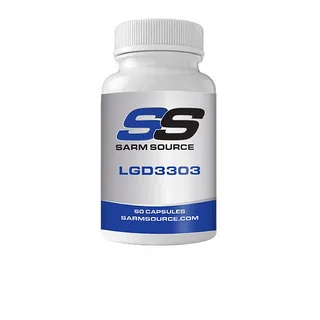
LGD-4033 (Ligandrol) is a selective androgen receptor modulator (SARM) that has been studied for its potential effects on muscle and bone health. Learn about its research, risks, side effects, and regulatory status.
—
—
In Stock
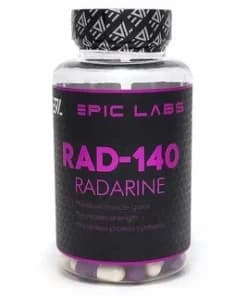
LGD-4033 (Ligandrol) LGD-4033 (Ligandrol) is a selective androgen receptor modulator (SARM) that has attracted significant attention in scientific research because of its potential to selectively target androgen receptors in muscle and bone tissue. Researchers have investigated LGD-4033 (Ligandrol) for possible applications related to muscle preservation and bone health. However, it is important to note that LGD-4033 is not approved by the U.S. Food and Drug Administration (FDA) for human use and may present significant health risks. Anyone researching this compound should understand both its potential and its limitations before drawing conclusions. What Is LGD-4033 (Ligandrol)? LGD-4033 (Ligandrol) belongs to a class of compounds known as Selective Androgen Receptor Modulators (SARMs). Unlike traditional anabolic steroids, SARMs are designed to selectively activate androgen receptors in certain tissues while reducing activity in others. This selective action has made LGD-4033 (Ligandrol) an important subject of laboratory and clinical research. If you are researching similar compounds, you may also be interested in RAD-140 (Testolone), RAD-150, AC-262, and SR9011, each of which has been studied for different biological properties. How LGD-4033 (Ligandrol) Works LGD-4033 (Ligandrol) binds to androgen receptors primarily located in muscle and bone tissue. Researchers believe this selective interaction may influence protein synthesis and tissue maintenance while minimizing activity in organs commonly affected by anabolic steroids. Despite these findings, current research remains limited, and scientists continue to investigate its long-term effects. Because research is ongoing, no conclusions should be drawn regarding safety or effectiveness outside controlled scientific studies. Potential Areas of Research Researchers have investigated LGD-4033 (Ligandrol) in several areas, including: Muscle preservation Bone mineral density Age-related muscle loss Recovery following injury Hormonal pathway research These investigations are primarily conducted in laboratory and clinical settings. They do not establish LGD-4033 (Ligandrol) as a safe or approved treatment for any medical condition. Risks and Safety Considerations Like many investigational compounds, LGD-4033 (Ligandrol) has been associated with potential risks. Reported concerns include hormonal suppression, changes in cholesterol levels, liver-related effects, and other adverse reactions. Researchers continue to study these safety considerations to better understand the compound's biological impact. The FDA has issued warnings regarding products marketed as SARMs because they may pose significant health risks and are often sold without regulatory approval. Regulatory Status of LGD-4033 (Ligandrol) LGD-4033 (Ligandrol) is not approved by the FDA for medical use or as a dietary supplement. In addition, the World Anti-Doping Agency (WADA) prohibits its use in competitive sports due to its potential performance-enhancing effects. Consumers should carefully evaluate product claims and rely on peer-reviewed scientific research rather than unsupported marketing statements. Related Research Compounds Researchers frequently compare LGD-4033 (Ligandrol) with several other investigational compounds, including: RAD-140 (Testolone) RAD-150 AC-262 SR9011 Each compound has distinct mechanisms of action and remains under scientific investigation. Understanding their differences can provide valuable context for researchers studying selective receptor modulation. Learn More About LGD-4033 (Ligandrol) LGD-4033 (Ligandrol) continues to be an active area of scientific investigation. While research suggests it may influence muscle and bone physiology, much remains unknown regarding its long-term safety and clinical usefulness. Individuals interested in this compound should consult reliable scientific literature and trusted health authorities for the most current information.