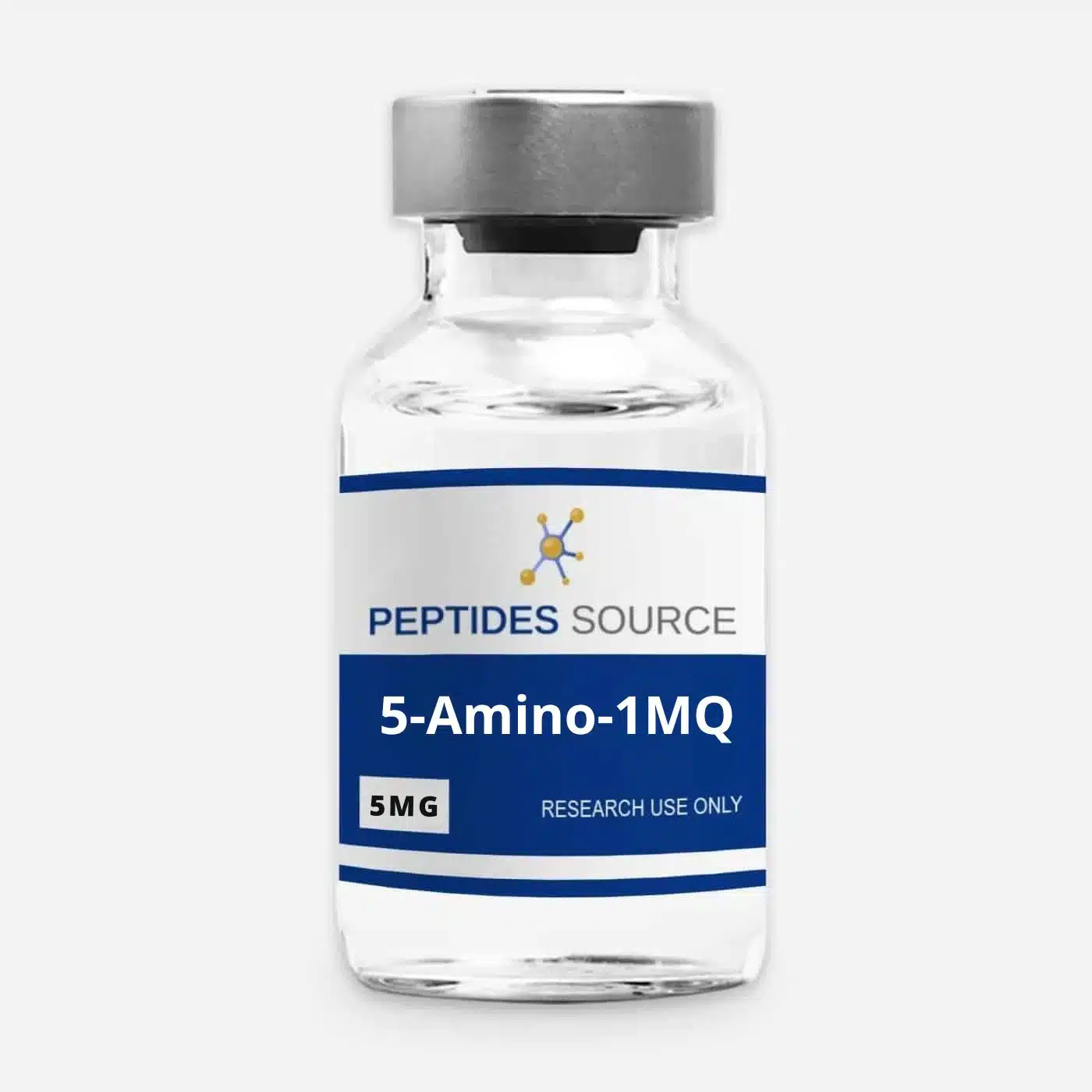
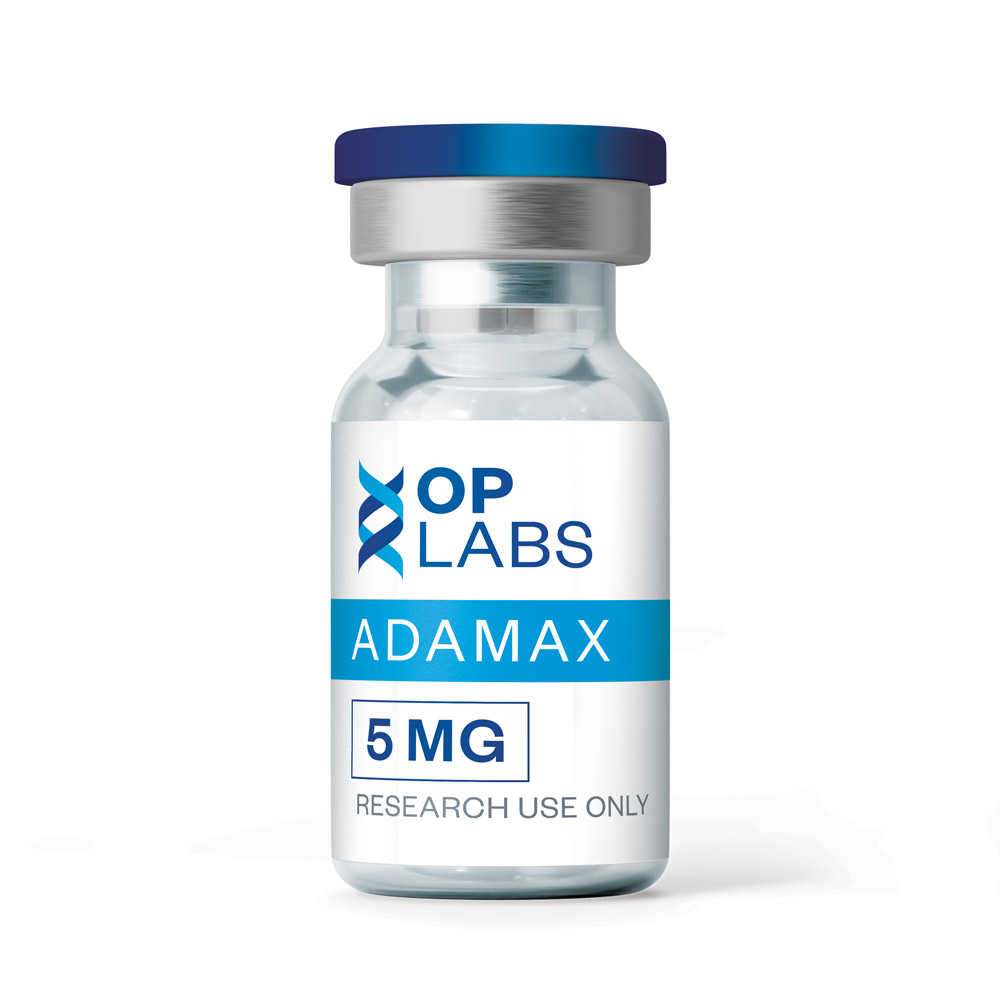
5-Amino-1MQ is a small-molecule compound that has been investigated in preclinical scientific research for its interaction with the enzyme nicotinamide N-methyltransferase (NNMT). Researchers study this compound to better understand its biochemical
—
—
In Stock
5-Amino-1MQ 5-Amino-1MQ is a small-molecule compound that has attracted attention in scientific research because of its interaction with nicotinamide N-methyltransferase (NNMT), an enzyme involved in several metabolic processes. Researchers continue to investigate 5-Amino-1MQ to better understand its biochemical properties, mechanism of action, and potential role in metabolism, energy regulation, and cellular function. While early laboratory studies have produced promising observations, the compound remains investigational and has not been approved for medical use by regulatory authorities such as the U.S. Food and Drug Administration (FDA). This page is intended for educational purposes and summarizes current scientific knowledge about 5-Amino-1MQ. It should not be interpreted as medical advice, a therapeutic recommendation, or evidence of proven health benefits. What Is 5-Amino-1MQ? 5-Amino-1MQ is a research compound primarily studied for its ability to inhibit the enzyme nicotinamide N-methyltransferase (NNMT). NNMT plays a role in cellular metabolism by regulating methylation pathways and nicotinamide metabolism, both of which influence how cells produce and utilize energy. Because NNMT activity has been associated with obesity, insulin resistance, aging, and other metabolic conditions in experimental models, scientists have investigated whether compounds such as 5-Amino-1MQ can help improve understanding of these biological processes. Most studies involving 5-Amino-1MQ have been conducted in laboratory settings or preclinical animal models, and additional research is necessary before any conclusions can be drawn regarding its clinical applications. How 5-Amino-1MQ Works The primary focus of current research is the interaction between 5-Amino-1MQ and NNMT. By inhibiting this enzyme, researchers believe the compound may influence metabolic pathways that regulate energy expenditure, fat storage, and cellular health. NNMT is involved in the metabolism of nicotinamide, a form of vitamin B3 that contributes to the production of nicotinamide adenine dinucleotide (NAD⁺), a molecule essential for numerous cellular processes. Scientists are studying whether altering NNMT activity affects NAD⁺ availability and related metabolic functions. Although these mechanisms are scientifically interesting, they remain under investigation, and much about the compound's biological effects is still unknown. Current Areas of Scientific Research Researchers continue to investigate 5-Amino-1MQ across several areas of biomedical science, including: Cellular metabolism Energy regulation Fat metabolism Obesity and weight regulation Insulin sensitivity Aging-related metabolic changes NAD⁺ metabolism Enzyme inhibition and molecular biology These studies aim to improve scientific understanding of metabolic regulation rather than establish therapeutic uses. More research, including carefully designed clinical trials, would be necessary before any medical conclusions could be reached. Safety and Regulatory Status At present, 5-Amino-1MQ remains an investigational research compound. It has not received approval from the U.S. Food and Drug Administration (FDA) or comparable regulatory agencies for use as a medicine, dietary supplement, or treatment for any disease. Because comprehensive human safety data are limited, researchers continue to evaluate the compound's pharmacology, toxicity, dosage characteristics, and long-term biological effects. Consumers should be cautious of unsupported marketing claims that present investigational compounds as proven health products. Reliable information should always be obtained from peer-reviewed scientific literature and recognized health authorities. Scientific Interest in NNMT Inhibition Interest in 5-Amino-1MQ has grown alongside increased research into NNMT biology. Scientists have identified NNMT as an enzyme that may influence several interconnected metabolic pathways. By studying compounds capable of modulating NNMT activity, researchers hope to better understand the underlying mechanisms involved in energy balance, metabolic disorders, and cellular aging. It is important to recognize that promising laboratory findings do not necessarily translate into safe or effective human therapies. The scientific process requires extensive validation before experimental compounds can become approved medical treatments. Related Research Compounds Researchers studying metabolism often compare 5-Amino-1MQ with other investigational compounds involved in metabolic and cellular research. Exploring related compounds can provide additional insight into enzyme regulation, mitochondrial function, and energy metabolism. Readers interested in metabolic research may also wish to explore educational resources covering other investigational compounds, enzyme inhibitors, and emerging areas of biomedical science. Learn More About 5-Amino-1MQ As research continues, scientists hope to better understand the role of 5-Amino-1MQ in metabolism and NNMT inhibition. While early findings have contributed valuable knowledge to the field of metabolic biology, much remains unknown regarding its long-term safety, effectiveness, and potential clinical relevance. For the most reliable and up-to-date scientific information, consult authoritative resources such as PubMed, the National Institutes of Health (NIH), the U.S. Food and Drug Administration (FDA), and peer-reviewed medical journals. These sources provide evidence-based information that reflects the current state of scientific research.