—
—
In Stock
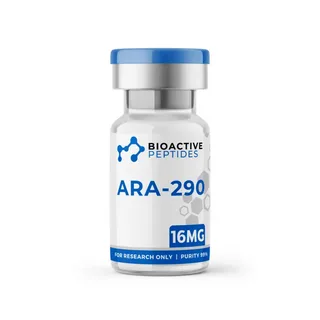
ARA-290, also known as cibinetide or pHBSP (pyroglutamate helix B surface peptide), is an 11–amino acid peptide derived from the helix B region of erythropoietin (EPO). Unlike EPO, ARA-290 does not stimulate red blood cell production, focusing instead on tissue protection, anti-inflammation, and repair Mechanism of Action - Innate Repair Receptor (IRR): ARA-290 selectively targets the IRR, a heteromeric complex composed of the erythropoietin receptor and the β-common (CD131) subunit. Activation of IRR triggers anti-inflammatory and tissue-repair pathways - TRPV1 Modulation: It also antagonizes TRPV1 (capsaicin receptor), which plays a key role in nociceptive pain signaling. This mechanism contributes to its analgesic (pain-relief) effects Therapeutic Potential & Research Highlights 1. Small-Fiber Neuropathy (Sarcoidosis-Associated) - In controlled trials, 28 days of subcutaneous ARA-290 markedly improved neuropathic symptoms and autonomic dysfunction in sarcoidosis patients. - It also promoted regeneration of small nerve fibers in the cornea and enhanced exercise capacity (6-minute walk test) 2. Type 2 Diabetes with Neuropathy - In phase II studies, daily ARA-290 improved glycemic control (reduced HbA₁c), lipid profiles, neuropathic pain, and increased corneal nerve fiber density — without safety concerns 3. Anti-Inflammatory & Tissue-Protective Actions - Preclinical findings demonstrate that ARA-290 inhibits pro-inflammatory cytokines (e.g., TNF-α) and reduces apoptosis through IRR engagement. It accelerates wound healing, reduces scarring, and supports recovery across tissues 4. Neuropathic Pain Models - In animal models of sciatic nerve injury and neuropathic pain, ARA-290 reduces mechanical allodynia and cold sensitivity, demonstrating rapid and sustained relief. This effect is absent in animals lacking the β-common receptor, underscoring IRR’s role - A recent mouse study found that ARA-290 alleviates chronic stress-induced depression-like behavior. It appears to modulate the immune system and microglial activation, acting similarly to classical antidepressants but via distinct inflammatory pathways - A still more recent report reaffirms ARA-290’s continuing promise in reducing neuropathic pain and inflammation through mechanisms akin to those of EPO — without hematopoietic side effects Summary Table Key Features Details Origin 11-amino acid peptide derived from EPO (non-erythropoietic) Mechanisms Activates IRR (tissue-protective), antagonizes TRPV1 Therapeutic Effects Relief from neuropathic pain, improved nerve regeneration, metabolic benefits, anti-inflammation Clinical Status Phase II/III trials in neuropathy; orphan drug status for sarcoid neuropathy Safety Profile Favorable so far — minimal side effects reported in trials