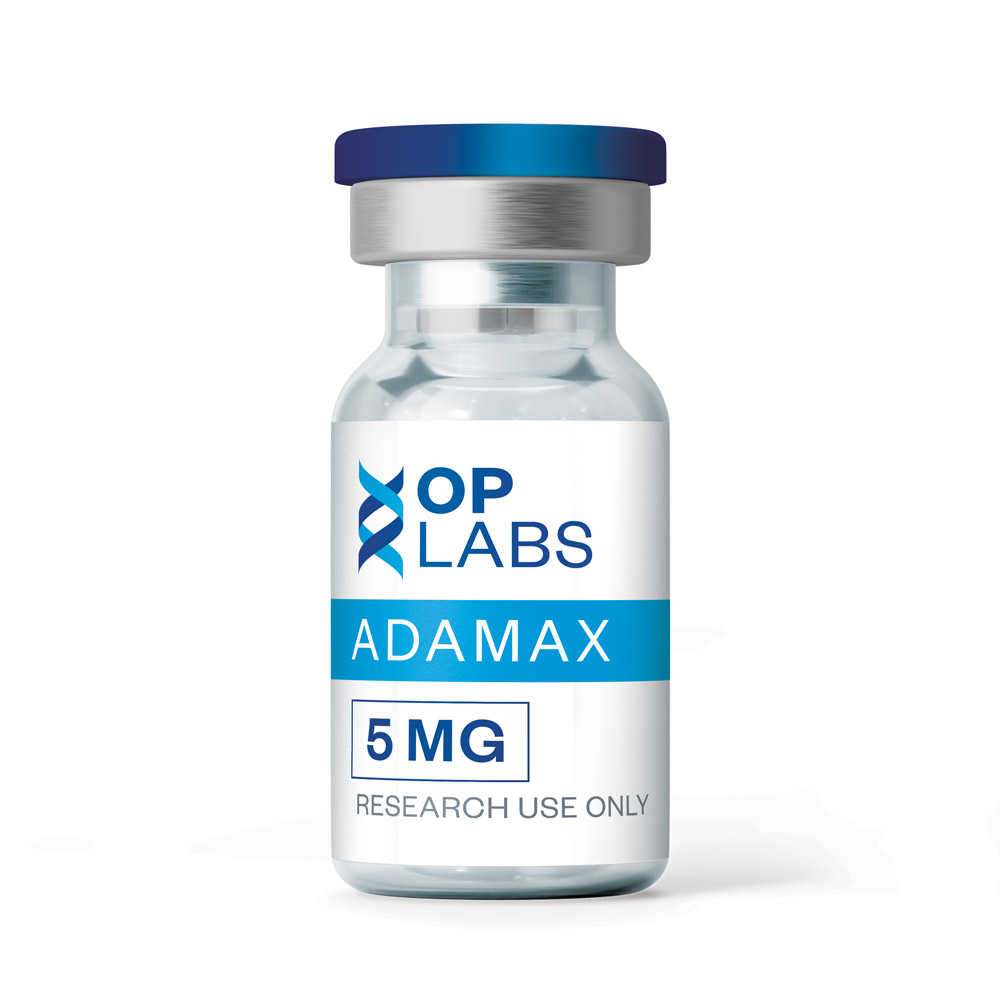
—
—
In Stock
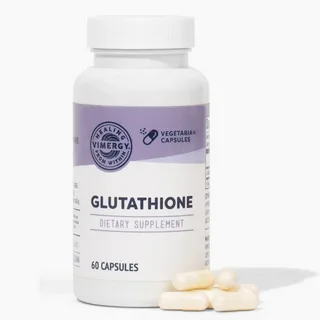
Glutathione is a naturally occurring antioxidant found in almost every cell of the human body. Often called the “master antioxidant,” it plays a crucial role in protecting cells from oxidative stress, supporting detoxification, and maintaining a healthy immune system. It is composed of three amino acids: glutamine, cysteine, and glycine. Key Functions - Powerful Antioxidant Protection - Neutralizes free radicals that can damage cells and accelerate aging. - Helps regenerate other antioxidants like Vitamin C and Vitamin E. - Detoxification Support - Binds to toxins, heavy metals, and harmful chemicals, making them easier for the body to eliminate via the liver and kidneys. - Essential in the body’s Phase II liver detox process. - Immune System Enhancement - Boosts immune cell function to better fight infections. - Supports production of lymphocytes (white blood cells). - Cellular Repair & Anti-Aging - Promotes DNA repair and healthy cell replication. - Protects mitochondria (the cell’s energy factories) from oxidative damage. Potential Benefits - Skin Health & Brightening: May help reduce hyperpigmentation and improve skin tone when taken orally or through IV therapy. - Liver Health: Supports recovery from fatty liver disease, hepatitis, and alcohol-related liver stress. - Brain Health: Protects neurons from oxidative stress, potentially benefiting cognitive function. - Energy & Endurance: Reduces oxidative fatigue in athletes and active individuals. - Anti-Inflammatory Effects: May lower inflammation markers in chronic diseases. Sources of Glutathione - Endogenous Production: The body naturally produces it, but levels decline with age, stress, illness, or poor diet. - Dietary Sources: - Sulfur-rich foods: garlic, onions, broccoli, kale, cauliflower. - Lean proteins and eggs. - Foods high in Vitamin C (which helps regenerate glutathione). - Supplementation Forms: - Oral capsules (reduced glutathione or liposomal glutathione for better absorption). - IV therapy (fast delivery into the bloodstream). - Precursor supplements like N-acetyl cysteine (NAC). Deficiency Signs Low glutathione levels may be linked to: - Chronic fatigue - Poor immunity - Frequent illness - Brain fog - Accelerated aging signs - Increased oxidative stress Safety & Considerations - Generally safe when taken in appropriate doses. - IV therapy should be performed by qualified healthcare professionals. - Individuals with certain medical conditions (like asthma or chemotherapy patients) should consult a doctor before supplementation.