—
—
In Stock
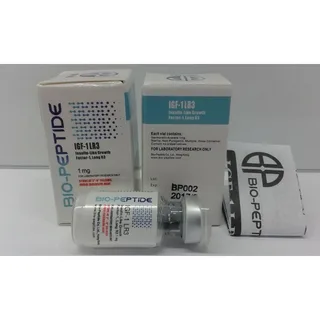
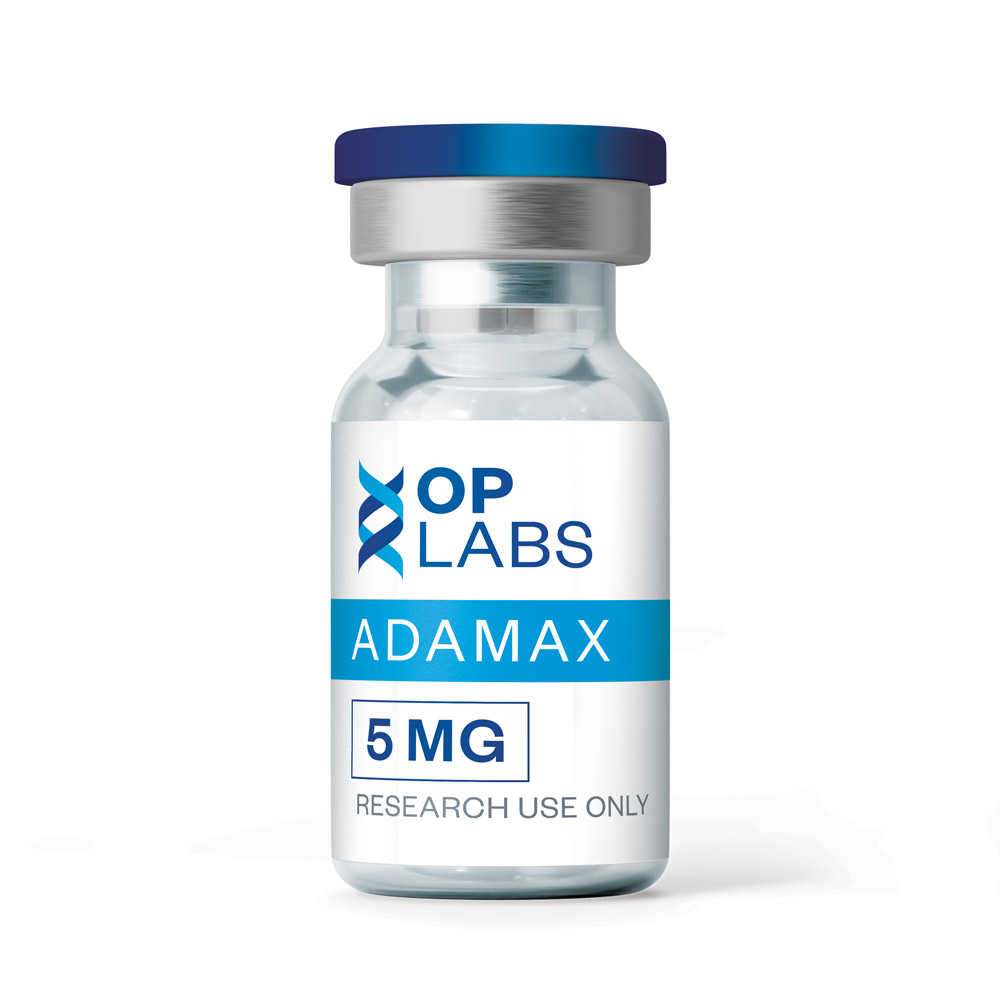
IGF-DES (IGF-1 DES 1-3) is a synthetic variant of Insulin-Like Growth Factor 1 (IGF-1), a hormone similar in structure to insulin that plays a key role in growth and development. IGF-DES is a modified version of IGF-1, with the removal of the first three amino acids in the peptide chain, making it significantly more potent and effective in certain biological contexts. Key Characteristics: - Molecular Formula: C319H501N91O96S7 - Length: 67 amino acids (compared to 70 in regular IGF-1) - Half-life: Shorter than IGF-1 LR3 (~20-30 minutes), but highly potent locally - Potency: Up to 10 times more anabolic activity than standard IGF-1 in certain tissues Benefits and Applications: - Muscle Growth and Repair: IGF-DES enhances muscle hyperplasia (increase in number of muscle cells) and hypertrophy (growth of muscle cells), especially at the site of injection. This makes it a favorite among bodybuilders and athletes for localized muscle development. - Tissue Regeneration: Promotes cell division, regeneration, and repair of damaged tissues, making it valuable in injury recovery and anti-aging protocols. - Increased Nutrient Delivery: Improves uptake of nutrients into muscle cells, facilitating better recovery and enhanced growth during training phases. - Reduced Receptor Desensitization: Unlike IGF-1 LR3, IGF-DES does not desensitize IGF-1 receptors with prolonged use, allowing for more sustained and targeted effects. How IGF-DES Works: IGF-DES binds to IGF-1 receptors and also interacts with insulin receptors, activating pathways such as PI3K/Akt and MAPK, which drive cell growth, proliferation, and survival. It has a unique affinity for damaged or stretched muscle tissue, making it effective when injected directly into targeted areas. Usage Protocol (for research purposes): - Dosage: Common research doses range from 20–100 mcg per day, often split into multiple injections. - Administration: Typically injected intramuscularly near the site of desired growth or injury. - Cycle Duration: 4–6 weeks, depending on experimental goals. Potential Side Effects: - Hypoglycemia (low blood sugar) - Joint pain - Water retention - Organ growth (with excessive use) - Injection site irritation