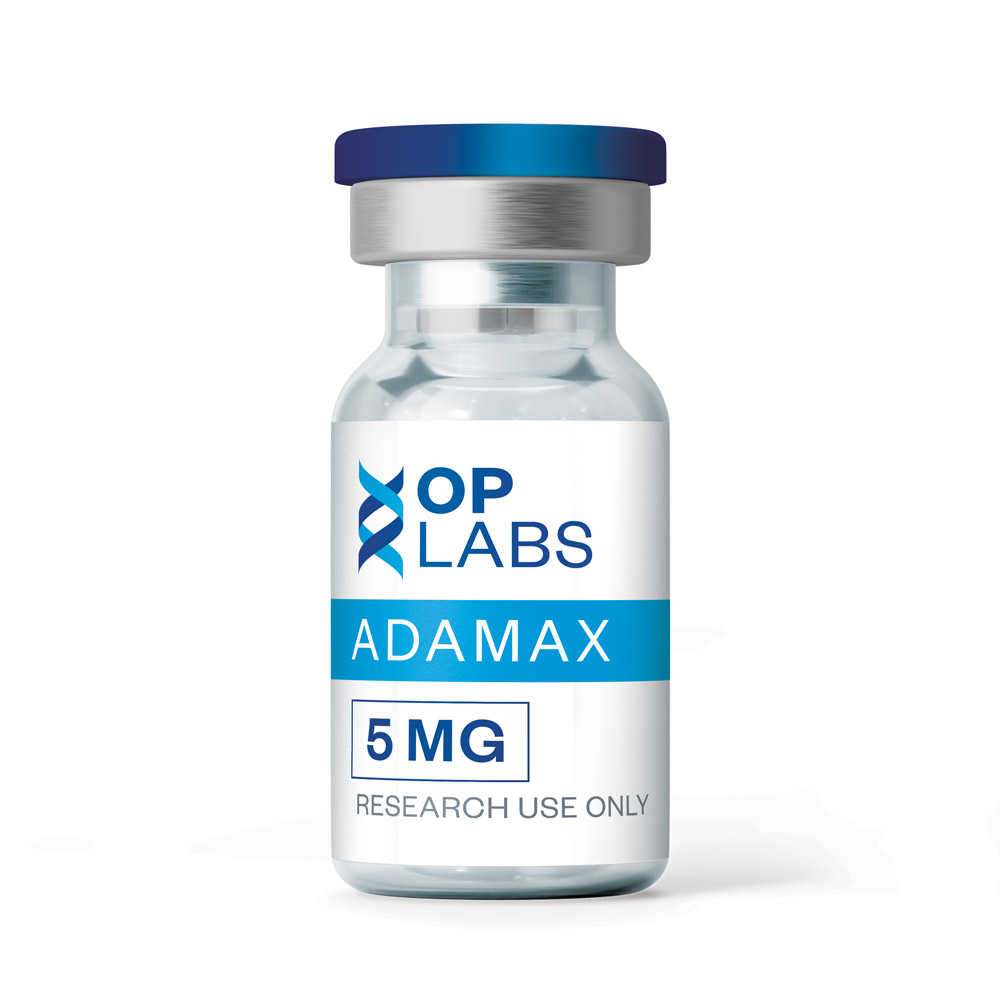
—
—
In Stock
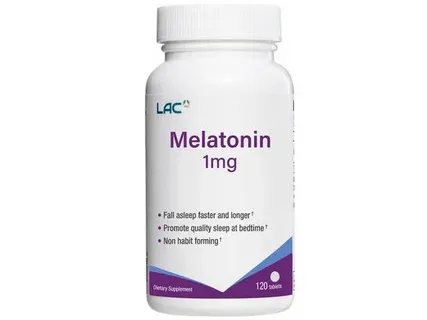
Melatonin is a naturally occurring hormone produced by the pineal gland in the brain, primarily responsible for regulating the body’s sleep–wake cycle, also known as the circadian rhythm. It plays a key role in signaling to the body when it’s time to rest and when to wake up, making it an essential component of healthy sleep patterns. How It Works - Light and Darkness: Melatonin production increases in the evening as light levels decrease, helping promote sleepiness. During daylight, production is suppressed, keeping you alert. - Hormonal Regulation: It interacts with the body’s internal clock to synchronize various biological processes with the day–night cycle. Sources of Melatonin - Natural Production – Made by the body in response to darkness. - Dietary Sources – Found in small amounts in foods like cherries, bananas, oats, and nuts. - Supplements – Available as over-the-counter tablets, capsules, or liquids for sleep aid or circadian rhythm adjustment. Potential Benefits - Improved Sleep Quality – May help reduce the time it takes to fall asleep and improve overall restfulness. - Jet Lag Relief – Assists in resetting the body’s internal clock after crossing time zones. - Shift Work Adjustment – Helps night-shift workers maintain better sleep schedules. - Antioxidant Support – Melatonin has antioxidant properties that may protect cells from oxidative stress. Dosage and Use - Typical supplemental doses range from 0.5 mg to 5 mg, taken 30–60 minutes before bedtime. - Low doses are generally recommended to start, as higher doses are not always more effective. Possible Side Effects - Daytime drowsiness - Headache - Dizziness - Mild mood changes - In rare cases, vivid dreams or nightmares Precautions - Not recommended for long-term use without medical supervision. - Pregnant or breastfeeding women, and individuals with certain medical conditions, should consult a healthcare provider before use. - Can interact with certain medications, including blood thinners, immune suppressants, and diabetes drugs.