—
—
In Stock
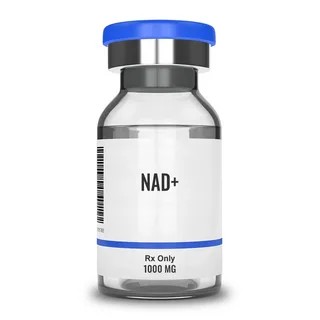
Nicotinamide Adenine Dinucleotide (NAD) is a vital coenzyme found in every living cell. It plays a crucial role in metabolism by facilitating redox reactions, where it alternates between its oxidized form (NAD⁺) and reduced form (NADH). NAD is essential for energy production, DNA repair, and cellular signaling. Functions of NAD - Energy Metabolism NAD acts as an electron carrier in cellular respiration, particularly in the mitochondria. It helps convert nutrients into ATP (adenosine triphosphate), the cell’s primary energy source. - DNA Repair and Genomic Stability NAD is required by enzymes called PARPs (poly ADP-ribose polymerases) that detect and repair damaged DNA, helping maintain genome integrity. - Regulation of Cellular Processes NAD activates sirtuins, a family of proteins involved in regulating aging, inflammation, and metabolism. - Cell Signaling NAD is involved in calcium signaling and immune responses through its role as a substrate for enzymes like CD38. NAD and Aging NAD levels naturally decline with age, which is linked to reduced cellular function, metabolic decline, and increased susceptibility to age-related diseases. Boosting NAD levels has gained attention for its potential to promote healthy aging, enhance energy, and support cellular repair. Ways to Boost NAD - Dietary Precursors: Supplementation with NAD precursors such as Nicotinamide Riboside (NR) or Nicotinamide Mononucleotide (NMN) can increase NAD levels in the body. - Exercise: Regular physical activity helps maintain NAD metabolism. - Caloric Restriction: Reducing calorie intake can improve NAD+ availability and activate sirtuins. NAD Supplements and Therapeutic Uses NAD supplements are marketed for benefits including increased energy, improved mental clarity, and anti-aging effects. Some clinical studies also explore NAD therapy for conditions like neurodegenerative diseases, metabolic disorders, and addiction recovery. Summary NAD is a fundamental molecule essential for life, involved in energy metabolism, DNA repair, and aging. Maintaining optimal NAD levels supports cellular health and overall vitality.